
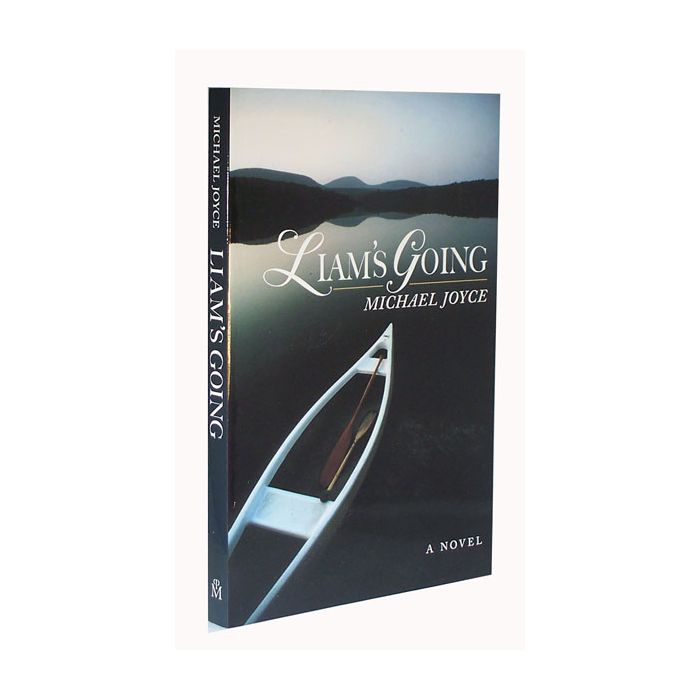
Liam's Going
£12.00
ISBN
9780929701882
Liam's Going is available to buy in increments of 1
Liam Williams is heading to college, and eagerly anticipates his independence. But for Cathleen, his mother, and Noah, his father, Liam's going is anything but easy. Both project their lost dreams of youth onto their only child, and when Cathleen leaves Noah alone upstate to drive Liam down through New York's Hudson Valley to his school, their separation becomes a moving story of learning how to come to grips with losing without letting go.
"Constructed much like a poem, this novel's lines of dialogue, details, and descriptive phrases appear and reappear to revelatory effect; its narrative jumps between present, past, and beyond convince us that the present is only a thin netting tossed over the past. ...The book's musical language is at times as gorgeous as Cheever or early Updike..." — Publishers Weekly
| Weight | 0.285000 |
|---|---|
| ISBN13/Barcode | 9780929701882 |
| ISBN10 | 0929701887 |
| Author | JOYCE, Michael |
| Binding | Paperback |
|---|---|
| Date Published | 17th September 2008 |
| Pages | 207 |
| Publisher | McPherson & Company,Publishers |
"Michael Joyce has written a stunning novel of the deeply perplexing paradox of love. Liam's Going begins as a simple story, a young man being driven to college, and unfolds into a mythic grandness. It reminded me of the best of James Salter and John Updike, as well as Faulkner and the other Joyce, beautifully wrought into something tender and serious and original." — David Means
Liam Williams is heading to college, and eagerly anticipates his independence. But for Cathleen, his mother, and Noah, his father, Liam's going is anything but easy. Both project their lost dreams of youth onto their only child, and when Cathleen leaves Noah alone upstate to drive Liam down through New York's Hudson Valley to his school, their separation becomes a moving story of learning how to come to grips with losing without letting go.
"Constructed much like a poem, this novel's lines of dialogue, details, and descriptive phrases appear and reappear to revelatory effect; its narrative jumps between present, past, and beyond convince us that the present is only a thin netting tossed over the past. ...The book's musical language is at times as gorgeous as Cheever or early Updike..." — Publishers Weekly